
1. Introduction: The Unsung Heroes of Industry
Conveyor rollers might seem like simple components, but they are absolutely crucial to the smooth operation of countless industries. Think of them as the tireless workhorses that keep everything moving, from raw materials in mines and factories to finished goods in warehouses and distribution centers. Without these essential parts, the complex systems that transport materials would grind to a halt.
2. What Exactly is a Conveyor Roller?
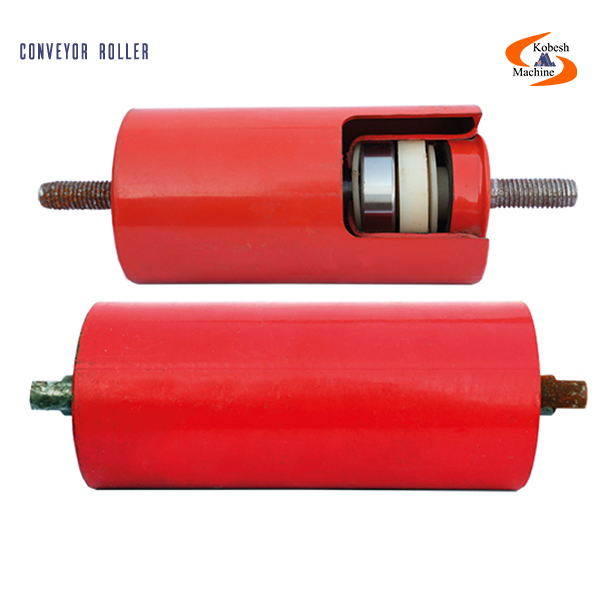
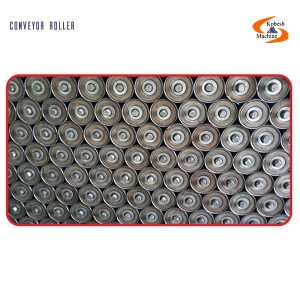
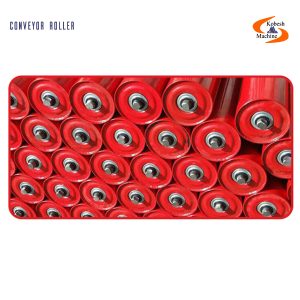
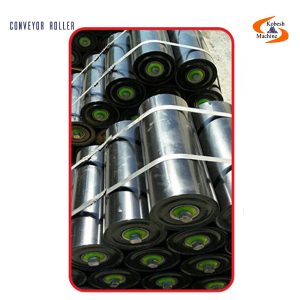
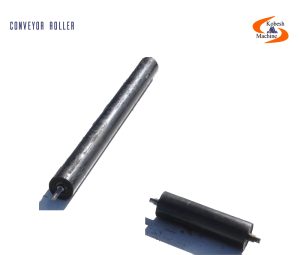
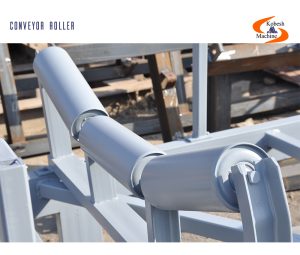
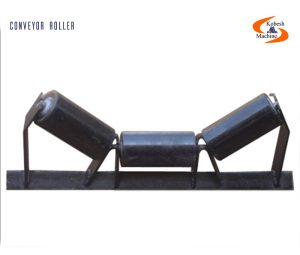
At its core, a conveyor roller is a cylindrical component designed to support and guide a moving conveyor belt. It works by reducing friction between the belt and the supporting structure, allowing the belt to move freely with minimal energy loss. Rollers are typically mounted on frames and spaced at regular intervals along the conveyor’s path. As the belt moves, it rests on these rollers, which rotate and facilitate the smooth transport of whatever material is being carried.
3. The Diverse World of Conveyor Roller Materials
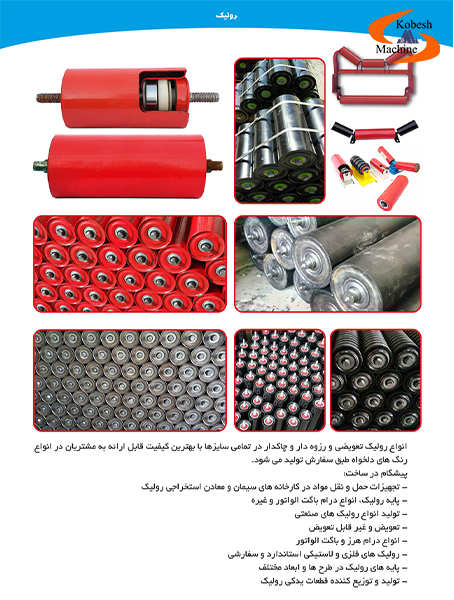
The choice of material for a conveyor roller is a critical decision, as it directly impacts durability, load capacity, and resistance to environmental factors. Steel is a common and robust choice, especially for heavy-duty applications where strength is paramount. Stainless steel offers excellent corrosion resistance, making it ideal for food processing, pharmaceutical, and chemical industries. For lighter loads or environments where noise reduction is a concern, polymer or plastic rollers are often used. They are lightweight, resistant to certain chemicals, and can operate more quietly than their metal counterparts.
4. Key Types and Designs of Conveyor Rollers
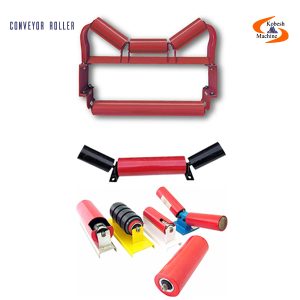
Conveyor rollers come in various designs to suit different operational needs. The simplest is the straight roller, a uniform cylinder used for standard belt support. Tapered rollers are shaped like cones and are essential for curved sections of a conveyor system, allowing the belt to navigate turns smoothly without bunching up. Impact rollers are designed with a softer outer layer, often rubber or polymer, to absorb the shock of heavy or irregularly shaped items hitting the belt, protecting both the belt and the roller itself. Then there are return rollers, positioned beneath the belt to support its weight as it travels back to the beginning of the conveyor.
5. The Vital Role of Conveyor Rollers in Efficiency and Safety
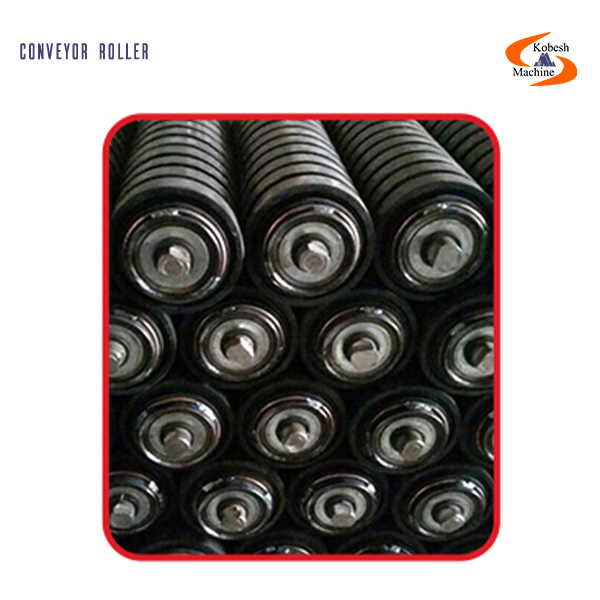
Conveyor rollers are more than just moving parts; they are integral to the overall efficiency and safety of any material handling system. By minimizing friction, they reduce the energy required to move materials, leading to significant cost savings in terms of power consumption. Their consistent support also prevents belt sagging and misalignment, which can cause damage to the belt, product, and surrounding equipment. Furthermore, well-maintained rollers contribute to a safer working environment by ensuring predictable and controlled material flow, reducing the risk of accidents caused by unexpected stops or shifts.
6. Maintenance and Troubleshooting for Conveyor Rollers
Just like any mechanical component, conveyor rollers require regular maintenance to ensure optimal performance and longevity. This typically involves cleaning away debris that can accumulate and impede rotation, and periodic lubrication of bearings to prevent wear and tear. Inspecting for signs of damage, such as dents, cracks, or excessive wear on the roller surface, is also crucial. Common issues include rollers that are seized or slow to rotate, often due to debris or bearing failure, which can lead to increased belt wear and strain on the drive system. Identifying and addressing these problems promptly through repair or replacement is key to avoiding costly downtime and ensuring the continuous operation of the conveyor.
7. Innovations and Future Trends in Conveyor Roller Technology
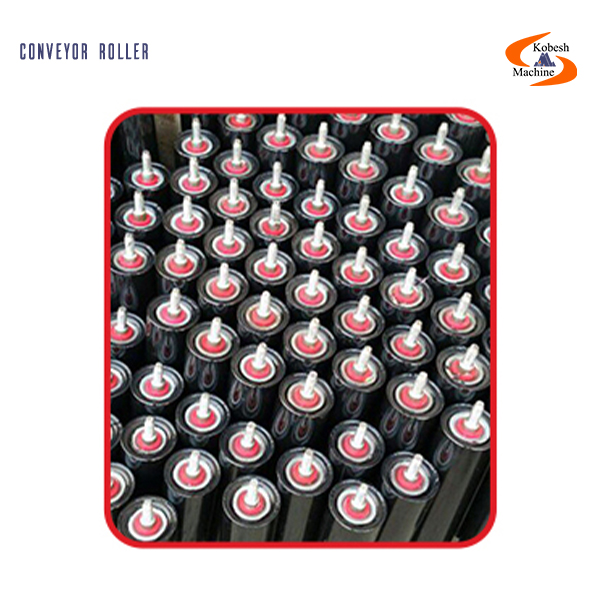
The world of conveyor roller technology is constantly evolving, driven by the need for increased efficiency, sustainability, and adaptability. One significant trend is the development of smart rollers equipped with sensors that can monitor speed, temperature, and load in real-time. This data allows for predictive maintenance, optimizing performance and preventing unexpected failures. Another area of innovation is the use of advanced composite materials that offer lighter weight, higher strength, and improved resistance to wear and corrosion, often with a smaller environmental footprint. We’re also seeing a move towards modular and easily replaceable roller designs, which simplify maintenance and reduce downtime. Finally, the integration of energy-efficient technologies, such as low-friction coatings and improved bearing designs, aims to further reduce the energy consumption of conveyor systems, aligning with global sustainability goals.

Contact Us: Kubesh Machine’s Consultants and Experts Are By Your Side
Kubesh Machine is proud to offer specialized consulting, engineering services, and the supply of high-quality parts for your various systems. We understand that the right choice, precise installation, and timely maintenance are the keys to the success of any industrial project. Our expert team, with their deep technical knowledge and extensive experience, is here to provide the best solutions for your specific needs.
For any questions, technical consultation needs, price inquiries, or product orders, please contact the relevant managers at Kubesh Machine:
- Sales Manager: +989126614519 (Alipour)
- R&D and Engineering Manager: +989123657790 (Alipour)
- Management: +989121074266 (Alipour)
- Product Manager: +989127356085 (Alipour)
- Export Manager: +989121943801 (Alipour)
We are eagerly looking forward to cooperating with you and helping to improve the efficiency and productivity of your systems.