
1. Introduction
1.1. Conveyor Belts: The Lifeline of Modern Industries Conveyor belts, as one of the key innovations in mechanical engineering, have revolutionized the way materials are moved on an industrial scale. From deep mines to complex production lines and vast logistics warehouses, conveyor belts play an indispensable role in the efficient and continuous transfer of materials. By significantly reducing the need for manual handling, increasing process speeds, and ensuring a smooth flow of materials, these systems have become the backbone of many industries. The importance of conveyor belts in enhancing productivity, lowering operational costs, and improving workplace safety is undeniable.
1.2. Idlers: The Driving Force and Support of Conveyor Belts At the heart of every conveyor belt system lies a set of crucial components known as “idlers,” which are responsible for supporting, guiding, and facilitating the movement of the conveyor belt. By creating a low-friction rolling surface, these idlers minimize the load on the main drive, significantly contributing to the longevity of the belt and other system components. The type, quality, and correct arrangement of idlers directly influence the overall performance, belt stability, and energy consumption. Therefore, understanding the role and importance of these seemingly simple components is essential for any engineer or operator of a conveyor belt system.
1.3. Objective of This Article: An In-Depth Exploration into the World of Conveyor Belt Idlers This article has been compiled with the aim of providing a comprehensive and practical guide regarding conveyor belt idlers. In this journey, we will delve into the different types of idlers, their technical specifications and constituent materials, the criteria for correct selection for various applications, as well as the principles of effective installation and maintenance. Furthermore, common challenges encountered in the use of idlers and practical solutions to overcome them will be discussed. The ultimate goal is to empower readers to better understand the functioning of these vital components and to make informed decisions towards optimizing their conveyor belt systems.
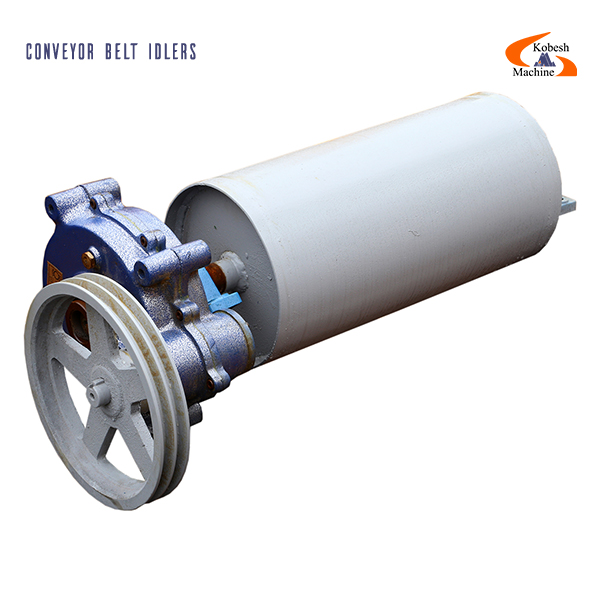
2. Types of Conveyor Belt Idlers
Key Components for Smooth Movement Idlers are the backbone of a conveyor belt system, each undertaking a specialized task to ensure the uniform, safe, and efficient movement of the belt. Understanding the different types of these idlers and their applications helps us in selecting correctly and optimizing the system’s performance.
2.1. Carry Idlers: The Backbone of Load Bearing These are the most common type of idlers, located on the upper section of the conveyor belt where materials are carried. Their primary function is to support the weight of the materials and the belt, providing a low-friction rolling surface.
- Application and Features: These idlers are typically installed at regular intervals along the belt’s path and bear the main load of material transport. Their design should ensure low rolling resistance to minimize the energy consumed by the belt’s movement.
- Types of Construction Materials:
- Steel: The most common material for carry idlers, especially in heavy-duty industrial applications requiring high strength and durability. Steel can be protected against corrosion with various coatings (such as galvanization or epoxy paint).
- Rubber: Rubber-covered idlers are used, particularly at loading points or in wet and corrosive environments, to absorb impact and prevent belt wear.
- Plastic (e.g., Polyethylene or PVC): These idlers are lighter and offer good resistance to chemicals and corrosion. They are often used in industries like food processing or chemical manufacturing where hygiene and resistance to specific substances are important.
2.2. Return Idlers: Maintaining Path and Cleanliness These idlers are situated on the underside of the conveyor belt, where the belt returns towards the loading area. Their main function is to support the belt in this section and aid in its guidance.
- Function on the Underside of the Belt: These idlers support the weight of the empty belt and prevent it from sagging or distorting.
- Importance in Preventing Material Buildup: By keeping the belt on its correct path, they assist cleaning devices (discussed later) in effectively removing residual material and preventing the accumulation of material beneath the belt and on the return idlers.
2.3. Impact Idlers: Shock Absorption at Critical Points These idlers are installed at the points where materials are loaded onto the conveyor belt, where the material drops from a height, subjecting the belt to significant impact.
- Role at Loading Points for Impact Absorption: The design of these idlers is intended to absorb the impact energy from falling materials, preventing damage and premature wear of the belt.
- Types of Coverings:
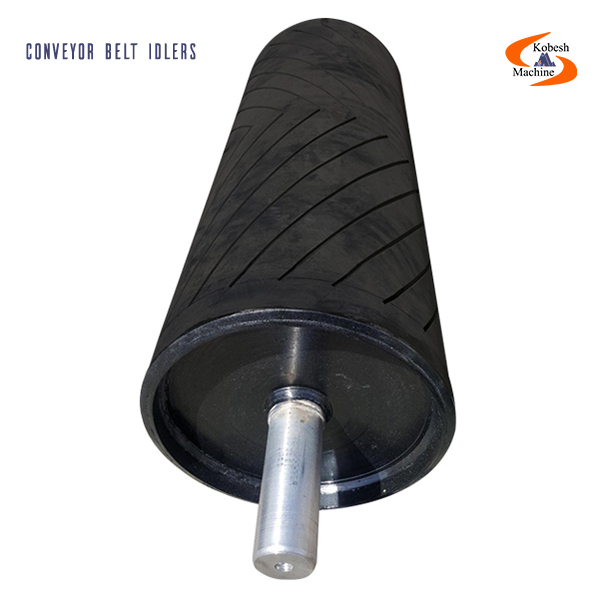
- Rubber: The most common type, which effectively absorbs shock with thick rubber layers. These coverings are usually arranged as individual rings on the idler tube, so if one ring fails, the entire idler doesn’t need replacement.
- Spring: In some specific systems, spring assemblies are used for shock absorption, providing greater flexibility.
2.4. Specialty Idlers: Precise Guidance and Control This category includes idlers with specialized designs for particular applications that contribute to improving the overall system performance.
- Tapered Idlers: These idlers have a sloped or conical surface and are specifically designed to help guide the belt and prevent it from deviating sideways, especially at curves or locations where the belt is prone to tracking off.
- Training Idlers: These idlers are designed to be mobile and, by changing their angle, automatically guide the belt towards the center, preventing it from running off other idlers. This is particularly effective for long belts or in conditions where the belt tends to wander.
- Scraper Idlers: Although scraper idlers (like brushes or cleaning blades) are often considered accessories, idlers with special coverings or grooves that assist in cleaning adhered material from the belt are sometimes included in this category. These idlers, in contact with the underside of the belt, help in removing sticky materials.
3. Idler Design and Manufacturing:
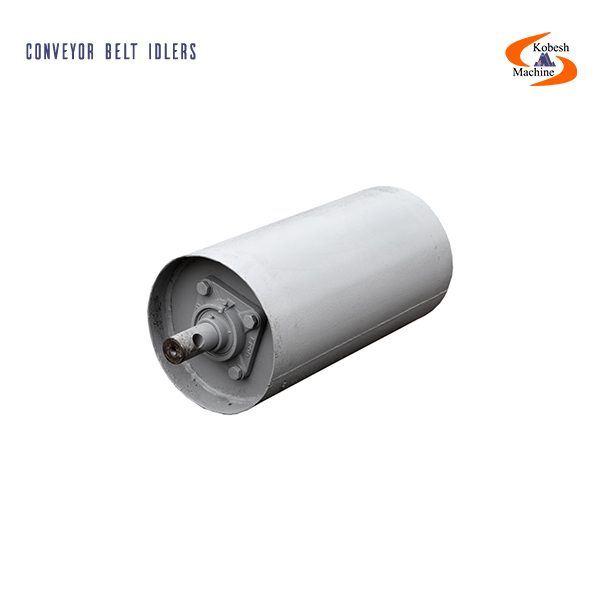
Engineering for Precision and Strength The design and manufacturing of conveyor belt idlers is a precise engineering process aimed at achieving high durability, optimal performance, and reliability under various working conditions. Material selection, coating types, dimensions, and adherence to standards all play a vital role in the final quality of the idler.
3.1. Materials: The Foundation for Durability The core of any idler is its raw material, which must be able to withstand stresses, abrasion, and environmental conditions.
- Steel Tubes:
- Sheet Type: Typically, cold-rolled or hot-rolled steel sheets are used. The choice of sheet type depends on the required thickness and necessary strength.
- Thickness: The wall thickness of the tube is determined based on the idler’s diameter, the applied load, and its application. Larger diameter idlers or those for heavier loads require thicker walls.
- Coatings: To protect against corrosion and wear, steel tubes may be protected with coatings such as hot-dip galvanization, epoxy paint, or electro-static powder coatings.
- Bearings and Seals Used:
- Bearings: The moving heart of the idler, bearings ensure its smooth rotation. Deep groove ball bearings or spherical roller bearings are commonly used, depending on the load and speed. The quality of the bearing directly impacts the idler’s lifespan and efficiency.
- Seals: These play a crucial role in protecting the bearings from the ingress of dust, water, chemicals, and other contaminants. Various types of seals, including multi-lip, rubber, and metal seals, are employed depending on the environmental conditions and types of contaminants.
- Shafts and Their Attachment Methods: The shaft transmits torque and acts as the rotation axis. These shafts are typically made from high-strength alloy steels. The method of attaching the shaft to the idler tube is also very important; common methods include press fitting, welding, or using a keyed shaft, all of which must provide sufficient strength to withstand stress.
3.2. Coatings: Protective Layers and Performance Enhancers In addition to protecting the main body of the idler, coatings can also improve its functional properties.
- Rubber Coverings:
- Abrasion Resistance: High-quality rubber offers exceptional resistance to wear caused by contact with the belt and materials.
- Adhesion: In specific applications, rubber layers with special patterns help improve belt grip and prevent slippage. Furthermore, in impact idlers, rubber significantly contributes to absorbing impact energy.
- Ceramic Coverings: These are used for highly specialized applications and in environments with severe abrasion or high temperatures. The high hardness of ceramic provides excellent wear resistance, but it also comes with higher cost and brittleness.
- Anti-Corrosion Coatings: In corrosive or humid environments, special anti-corrosion coatings like stainless steel or multi-layer epoxy coatings are used to prevent corrosion of the steel body of the idler.
3.3. Dimensions and Sizes: System Compatibility The dimensions of idlers must be carefully determined based on the overall design of the conveyor belt system and the type of materials being transported.
- Diameter, Length, and Wall Thickness of Idlers:
- Diameter: The idler’s diameter affects its resistance to bending and also the belt’s curve radius. Standard diameters typically fall within specific ranges (e.g., 159 mm, 176 mm, 203 mm, etc.).
- Length: The idler’s length is usually slightly longer than the belt’s width to prevent the belt from running off the idler.
- Wall Thickness: As mentioned earlier, the wall thickness influences the idler’s strength and durability and is selected based on the load and diameter.
- Standards and Technical Specifications: The manufacturing of idlers must comply with reputable industrial standards (such as ISO, CEMA, or national standards). These standards specify requirements related to dimensions, tolerances, materials, strength, bearing types, sealing, and testing methods to ensure product quality and reliability.
4. Selecting the Right Idler
The Key to Efficiency and System Longevity The correct selection of idlers is one of the most critical steps in the design and maintenance of a conveyor belt system. An inappropriate idler not only disrupts system performance but can also lead to premature belt wear, increased energy consumption, and costly failures. Understanding the factors influencing selection helps us find the best option for our specific needs.
4.1. Factors Influencing Selection:
- Type of Material Being Transported:
- Fine Particles and Dust: Requires idlers with robust sealing (Seals) to prevent fine particles from entering the bearings. Additionally, idlers with softer coverings may be more suitable to reduce dust accumulation.
- Coarse and Lumpy Materials: These materials necessitate impact idlers at loading points to prevent damage to the belt and idlers. Higher strength and larger diameter idlers may also be preferred to support the weight of these materials.
- Sticky Materials (e.g., Mud or some minerals): Idlers with smoother surfaces or self-cleaning capabilities (such as those with special grooves or non-stick coatings) are chosen to prevent material buildup and reduce the need for constant cleaning.
- Abrasive Materials (e.g., sand or sharp mineral rocks): In these conditions, idlers with highly wear-resistant coverings, such as hard rubber or even ceramic coatings in specific cases, are essential. Selecting high-quality bearings and excellent sealing is also critical in these scenarios.
- Conveyor Belt Capacity and Load: The greater the weight of the transported materials and the belt, the higher the strength (wall thickness, diameter) and load-bearing capacity the idlers must possess. This is particularly important for carry idlers, which bear the most load.
- Belt Speed: Higher speeds necessitate high-quality bearings and an appropriate cooling system (if needed).
- Working Environment:
- Temperature: Very high or low temperatures can affect bearing performance and rubber properties. Selecting suitable grease for bearings and materials resistant to heat or cold is essential.
- Humidity and Water: In humid or wash-down prone environments, idlers must have excellent sealing to prevent water ingress into the bearings and cause corrosion. Using idlers with anti-corrosion coatings is also recommended.
- Dust: As mentioned for fine materials, effective bearing sealing and preventing dust accumulation on idlers are priorities.
- Type of Conveyor Belt System:
- Horizontal System: Typically requires standard carry and return idlers.
- Inclined System: In these systems, in addition to standard idlers, specialized idlers may be needed for better belt guidance on inclines, or stronger idlers to counteract gravity. Training idlers are also very useful in these systems.
4.2. Importance of Idler Balancing: Idler balancing, meaning the uniform distribution of weight around the axis of rotation, is crucial for the correct operation and longevity of the system. Unbalanced idlers create severe vibrations at high speeds, which:
- Cause premature wear of bearings and the conveyor belt.
- Produce undesirable noise.
- Damage other structural components of the conveyor.
- Increase energy consumption.
5. Idler Installation and Maintenance
Ensuring Optimal Performance and Longevity Proper installation and regular maintenance of idlers play a crucial role in the smooth, efficient, and long-term operation of a conveyor belt system. Neglecting these aspects can lead to sudden failures, increased repair costs, and reduced productivity.
5.1. Key Installation Points:
- Idler Leveling and Alignment: This is the most critical aspect of installation. Any misalignment of idlers, whether horizontal (relative to each other) or vertical (relative to the belt plane), will cause belt mistracking, uneven wear of the belt and idlers, increased energy consumption, and premature bearing wear. Precision tools should be used to ensure perfect idler alignment.
- Proper Idler Spacing: The distance between idlers should be determined based on load capacity, belt type, and engineering calculations. Insufficient spacing increases friction and energy consumption, while excessive spacing leads to excessive belt sag and potential damage to the belt or conveyed materials. At loading points, idler spacing is typically reduced to increase belt stability.
- Protecting Bearings During Installation: During installation, avoid direct impact on bearings or seals. Ensure no contaminants or foreign objects enter the bearing housing. If force application is necessary, it should be done through the inner or outer ring of the bearing using appropriate tools.
5.2. Maintenance Methods:
- Periodic Inspections: These inspections should be performed regularly (daily, weekly, or monthly depending on the workload).
- Listening for Sounds: Unusual noises like scraping, clicking, or whining can indicate bearing failure, imbalance, or obstructions.
- Checking for Vibrations: Excessive idler vibration suggests balancing issues, bearing failure, or misalignment.
- Observing Wear: Visually inspect idler surfaces and bearings for signs of uneven wear, corrosion, or damage.
- Lubrication (if necessary): Many modern idlers feature sealed bearings with lifetime grease and do not require re-lubrication. However, in specific systems or older idlers, regular lubrication according to the manufacturer’s instructions is essential to ensure proper bearing function and extend their lifespan. Using the correct type and amount of grease is important.
- Replacing Worn Idlers: When inspections indicate severe wear, bearing failure, or irreparable imbalance, the idler should be replaced promptly. Delaying replacement can lead to further damage to the belt and other components.
- Keeping Idlers Clean: Material accumulation (such as dust, mud, or conveyed material) on idler surfaces can cause belt mistracking, increased friction, uneven wear, and even belt jamming. Regular cleaning of idlers, especially return idlers, significantly contributes to maintaining optimal system performance.
6. Common Problems and Solutions
Quick Diagnosis, Effective Resolution Understanding common issues that can arise with idlers and conveyor systems helps operators and technicians prevent further damage by quickly diagnosing and implementing appropriate solutions.
6.1. Belt Mistracking:
- Causes:
- Improper installation: Misalignment of carry or return idlers is the primary cause of belt mistracking.
- Uneven wear: If one side of the belt or idlers wears more than the other, the belt will deviate towards the less worn area.
- Improper loading: Off-center loading of materials causes the belt to track towards the loaded side.
- Idler contamination: Material buildup on one side of an idler can cause belt deviation.
- Belt structure: Damage or unevenness in the belt itself.
- Solutions:
- Adjusting training idlers: These idlers automatically guide the belt towards the center. Ensure they are functioning correctly and properly adjusted.
- Checking and correcting idler alignment: Thoroughly inspect the alignment of all idlers and correct any deviations.
- Correcting loading procedures: Ensure materials are loaded symmetrically in the center of the belt.
- Regular cleaning of idlers: Remove any accumulated contaminants.
6.2. Premature Wear:
- Causes:
- Abrasive materials: Continuous transport of materials with sharp, abrasive particles without using resistant idlers.
- Overloading: Exceeding the designed load or impact capacity of the idlers.
- Insufficient lubrication: In systems requiring lubrication, a lack thereof causes increased friction and bearing wear.
- High belt speed: Excessive speed can lead to premature wear, especially if idlers are unbalanced.
- Contaminant ingress: Dust and fine particles entering the bearings.
- Solutions:
- Selecting more resistant idlers: Use idlers with harder coverings, higher quality bearings, and better sealing.
- Improving loading methods: Reduce material drop height and use impact idlers at loading points.
- Controlling belt speed: If possible, reduce speed or ensure idlers are balanced at high speeds.
- Regular inspection and replacement of bearings and seals.
6.3. Stalling or Unusual Noises:
- Causes:
- Bearing failure: A seized or damaged bearing is one of the most common reasons.
- Blockage: Material accumulation becomes so significant that it impedes free idler rotation.
- Severe imbalance: Intense vibration caused by imbalance can lead to stalling or create grating noises.
- External force: The idler hitting an obstruction or structure.
- Excessive belt tension: In rare cases, excessive belt tension can create significant resistance to rotation.
- Solutions:
- Immediate bearing replacement: If bearing failure is diagnosed.
- Thorough cleaning of the idler and its surroundings: Remove any obstructions or accumulated materials.
- Re-balancing or replacing the idler: If an imbalance issue is confirmed.
- Checking the belt path: Ensure there are no physical obstructions in the path of the idlers.

7. Contact Us
Kubesh Machine Consultants and Experts Are Here for You Kubesh Machine is honored to offer expert consultation, engineering services, and the supply of high-quality parts for your various systems. We understand that correct selection, precise installation, and timely maintenance are key to the success of any industrial project. Our expert team, with deep technical knowledge and extensive experience, is by your side to provide the best solutions for your specific needs.
For any questions, technical consultation requests, price inquiries, or product orders, please contact the relevant managers at Kubesh Machine:
Sales Manager: +989126614519 (Alipour)
R&D and Engineering Manager: +989123657790 (Alipour)
Management: +989121074266 (Alipour)
Product Manager: +989127356085 (Alipour)
Export Manager: +989121943801 (Alipour)
We eagerly look forward to collaborating with you and helping to improve the efficiency and productivity of your systems.